Symptoms we treat
Nausea and vomiting, watery diarrhoea, stomach cramps, fever, weakness, dizziness when standing, and not being able to keep water down. Most cases are caused by a virus or bacteria in food or water and settle within a few days with the right care.
Treating and preventing dehydration
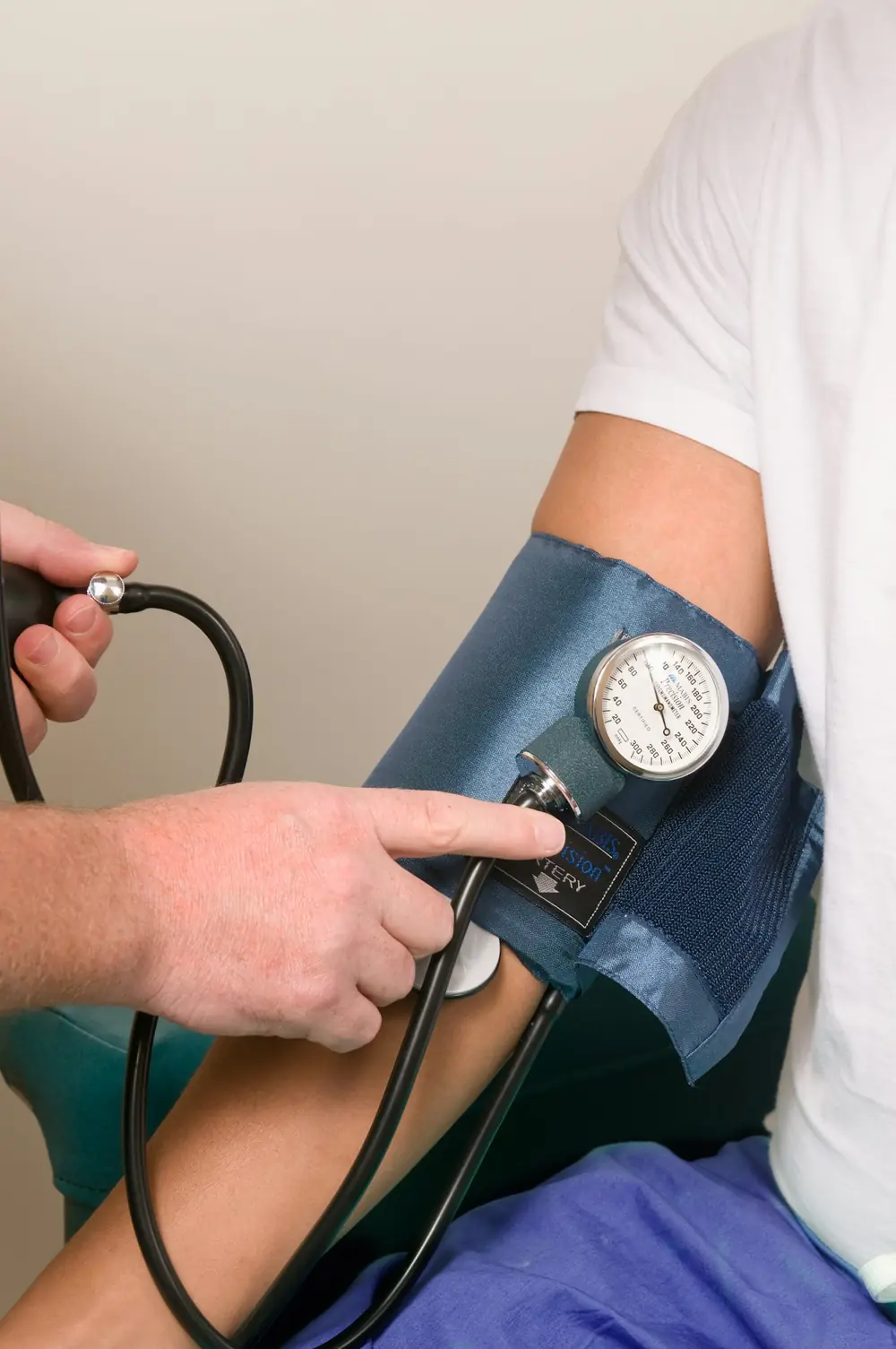
Dehydration is the main risk. The doctor checks your pulse, blood pressure and signs of fluid loss. Mild cases are treated with anti-nausea medicine and a clear oral rehydration plan. If you cannot keep fluids down, IV fluids can be given in your room.
Medication and antibiotics
Antibiotics are not needed for most food poisoning and can make some cases worse. The doctor decides based on your symptoms, fever and history. You receive medicines for nausea and cramps when appropriate, and a prescription Turkish pharmacies accept.
When to go to hospital
Blood in your stool or vomit, a very high fever, severe constant abdominal pain, confusion, or no urine for many hours need hospital care. Children, pregnant women and older people can become dehydrated faster, so we have a lower threshold to refer them.
Questions
How long does food poisoning last?
Most cases improve within one to three days. If you are not improving or you are getting weaker, contact a doctor.
Can I get IV fluids for food poisoning in my hotel?
Yes, if the doctor finds you are dehydrated and a drip is appropriate.
Can I still fly home?
The doctor can advise whether you are fit to travel and issue a fit-to-fly certificate if your airline needs one.